

What Is Vendor Fraud?

Are You At Risk? Yes.
What is vendor fraud? There are a thousand ways to answer that question, but one thing is certain: fraud prevention no longer happens only at the perimeter. Attackers are faster, schemes are more sophisticated, and the exposure is real — from a single fraudulent invoice slipping through to a full-scale business email compromise that drains your accounts payable before anyone notices.
This page is your starting point for the vendor fraud prevention resources, guidance, and frameworks you need to protect your organization — whether you’re building controls from scratch or shoring up gaps in an existing program. Explore the topics below, or dive directly into the area most relevant to your situation.

What Is Vendor Fraud? Two Layers of Pain.
Most vendor fraud exploits the same structural weaknesses: inadequate identity authentication before onboarding, weak internal controls that let bad actors go undetected, and slow response when a threat actually materializes. Each layer requires a different approach.
Vendor Fraud
Prevention
The question isn’t “what is vendor fraud?” It’s “where does vendor fraud start?” Stop fraudulent vendors from entering your system in the first place. This means authenticating business identity, validating banking details before adding them to your payment system, and screening against sanctions and watchlists at the point of onboarding — not months later during an audit.
Vendor Identity Authentication
Confirm that the vendor you’re paying is who they say they are, every time. Identity authentication isn’t a one-time checkbox; it’s an ongoing process that catches account takeovers, changed banking credentials, and impersonation schemes that emerge long after initial onboarding.
What is vendor fraud? Nothing PaymentWorks can’t tackle
Let’s Fight Fraud
Prevent Vendor Fraud
What is vendor fraud and where does it most commonly enter? Through the front door: a fake vendor added to your system or a real vendor whose banking details have been changed by a fraudster.
The vendor fraud prevention layer focuses on what happens before a vendor gets paid for the first time. This includes:
- Structured onboarding workflows that require identity authentication before banking details are added
- Validation of bank account ownership at the point of entry — not just at annual review
- Automated (and ongoing) screening against OFAC, Sam.gov, and other sanctions lists
- Policies that prevent any single person from both adding a vendor and approving a payment to that vendor
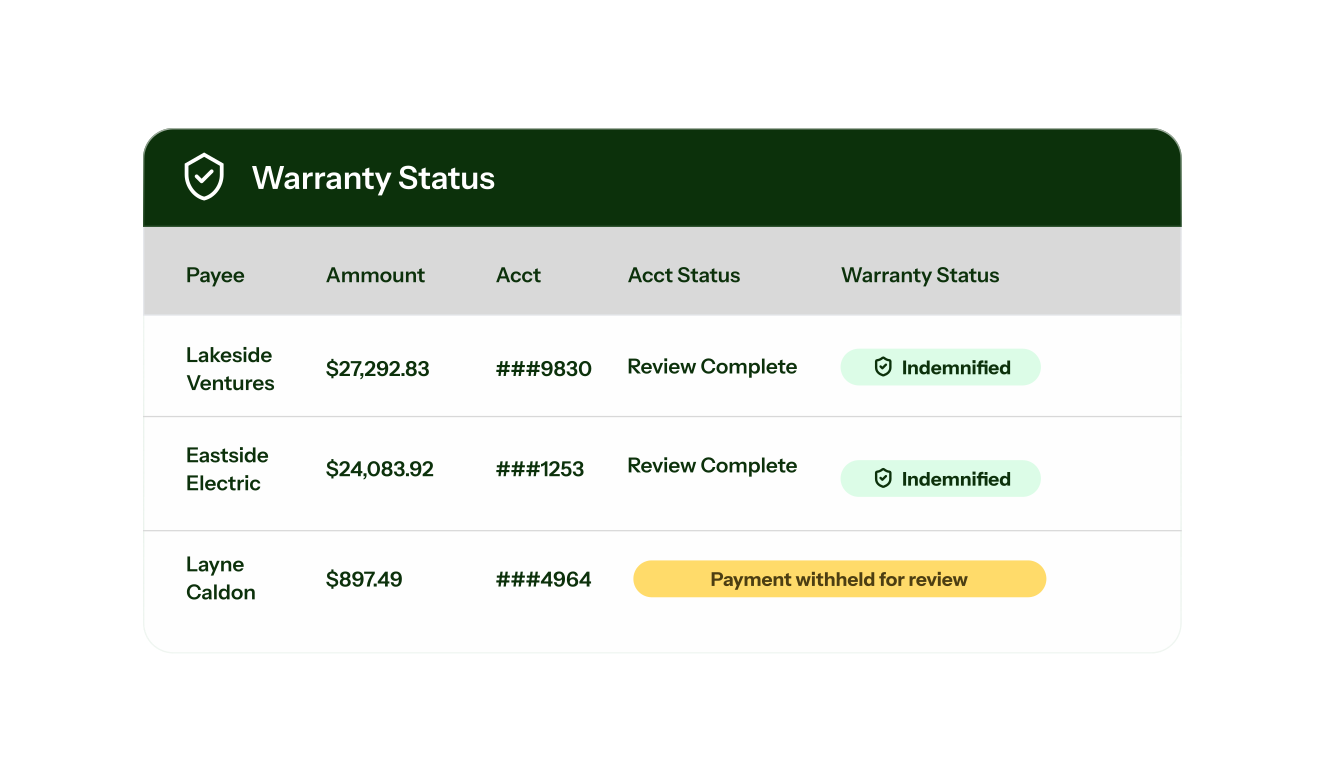
Authenticate Vendor Identity
Business email compromise and payment redirection fraud work because organizations often can’t quickly confirm whether a request to update vendor banking details is legitimate. A convincing email from a spoofed domain — or a compromised vendor email account — is enough to redirect a large payment.
Identity authentication at the point of change is one of the highest-leverage controls available for vendor fraud prevention. It means:
- Out-of-band authentication for any change to banking details (call back on a known number, not the one in the email)
- Linking vendors to authenticated business identities and tax IDs, not just contact information
- Detecting when vendor email domains have been recently registered or slightly altered
- Maintaining an authentication audit trail so you can demonstrate due diligence if a dispute arises
Proper vendor identity authentication has the potential to wipe the question “what is vendor fraud” clear out of your vocabulary.

Need vendor fraud prevention yesterday?
Speak with a specialist if you’re dealing with an active incident or preparing for a compliance review.
Book a Demo